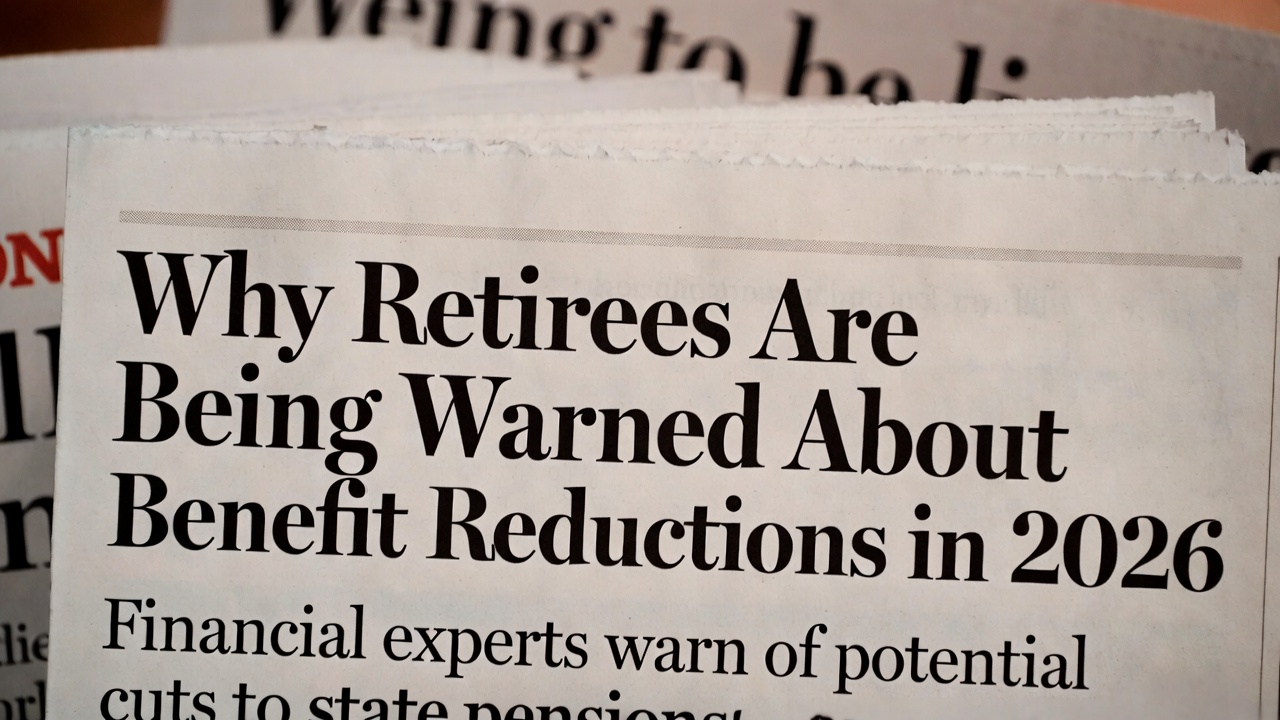
Across the United States, a growing number of retired Americans are planning to return to work in 2026. Rising inflation, higher healthcare costs, and pressure on household savings are pushing many seniors to look for extra income. This trend, often called “unretiring,” is changing how retirement looks for millions of people. While working after retirement can bring financial relief and a sense of purpose, it also comes with important Social Security rules that cannot be ignored.
In 2026, the Social Security Administration (SSA) is updating earnings limits that affect retirees who start collecting benefits before reaching Full Retirement Age. These changes matter because earning above certain limits can lead to temporary reductions in monthly Social Security payments. Many retirees are unaware of how easily extra shifts, freelance work, or part-time jobs can trigger these cuts. That is why SSA and organizations like AARP are warning retirees to understand the rules before making work decisions. Knowing how Social Security benefit reductions work in 2026 can help retirees avoid financial surprises and plan their income more confidently.
How Working Before Full Retirement Age Affects Benefits
Social Security allows retirees to work while receiving benefits, but strict income limits apply before Full Retirement Age. In 2026, retirees who earn more than $24,480 in a year will see a reduction in their Social Security payments. The rule is straightforward: for every $2 earned above the limit, $1 is withheld from benefits. This withholding often surprises retirees who underestimate their total yearly income.

Although these reductions are not permanent, they can strain monthly budgets. The SSA later recalculates benefits after Full Retirement Age to account for withheld amounts. Still, the immediate impact matters for retirees relying on steady monthly income. Understanding how earnings are counted, including bonuses and freelance income, is essential for anyone considering part-time or flexible work during early retirement.
Special Rules for Retirees Reaching Full Retirement Age
Retirees who will reach Full Retirement Age in 2026 benefit from a higher earnings threshold. They can earn up to $65,160 before benefit reductions apply, but only for the months leading up to their Full Retirement Age birthday. If earnings exceed this limit, benefits are reduced at a slower pace compared to younger retirees.
Under this rule, the SSA withholds $1 in benefits for every $3 earned above the limit. This system is designed to ease the transition into full retirement benefits. Once the retiree reaches Full Retirement Age, the earnings limit no longer applies. This allows seniors to continue working without worrying about Social Security benefit reductions for the rest of the year.

What Changes After Reaching Full Retirement Age
Reaching Full Retirement Age is a major milestone for Social Security recipients. At this point, retirees can earn unlimited income without any reduction in their monthly benefits. This is why many retirees choose to delay working more hours or accepting higher-paying roles until they cross this age threshold.
The SSA also adjusts benefit amounts after Full Retirement Age to reflect months when payments were withheld earlier. Over time, this can increase monthly benefits, helping retirees recover some of the lost income. Understanding this long-term adjustment helps retirees make informed choices about whether to work now or wait until benefit reductions no longer apply.
Why Unretiring Is Becoming More Common in 2026
Financial pressure remains the biggest reason retirees are returning to work. Rising living costs, medical expenses, and concerns about long-term savings are forcing many seniors to seek additional income. Even modest earnings can reduce reliance on retirement accounts and provide peace of mind during uncertain economic times.

Beyond money, work offers emotional and social benefits. Many retirees value the routine, purpose, and interaction that jobs provide. Flexible roles, remote work, and consulting opportunities are especially popular. However, without proper planning, these benefits can be offset by unexpected Social Security payment reductions, making awareness and preparation essential.
Planning Ahead to Avoid Benefit Surprises
Before accepting a job or increasing work hours, retirees should estimate their total annual earnings and compare them with SSA limits. Even small changes in income can push earnings over the threshold. Tracking income carefully helps retirees avoid sudden benefit reductions that disrupt monthly budgets.
Many retirees also consult financial planners or use SSA tools to understand how work affects benefits. Some choose to delay claiming Social Security altogether if they plan to work full-time. Careful planning ensures that returning to work in retirement supports financial stability instead of creating confusion or short-term income gaps.
Also Read:
 IRS Tax Refund Deposit Schedule 2026: Delays, Refund Amounts and Realistic Payment Dates Revealed
Disclaimer: This article is for general informational purposes only and does not constitute financial or legal advice. Social Security rules may change, and individual circumstances vary. Readers are advised to consult the Social Security Administration or a qualified financial advisor before making decisions related to employment or retirement benefits.